

Introduction
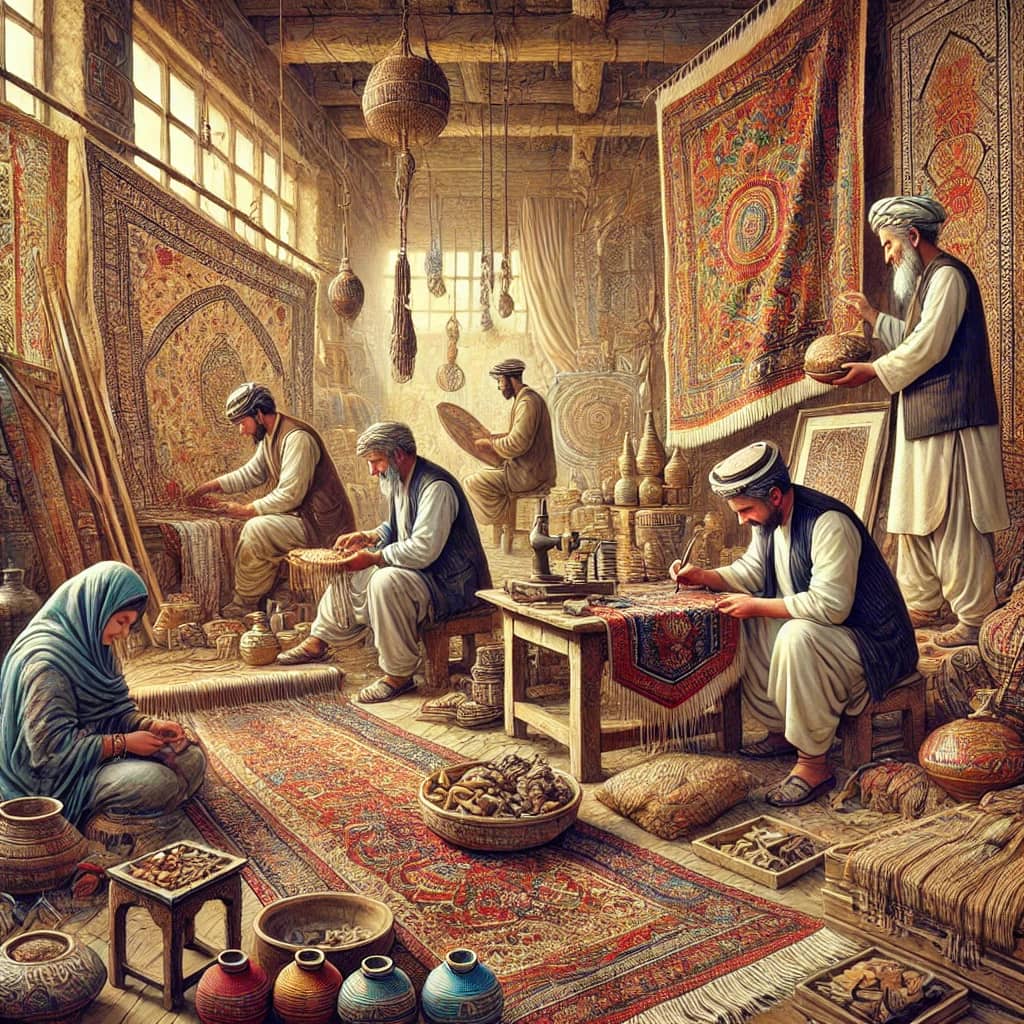
Afghanistan's handicraft industry is a vital component of its cultural heritage and economic landscape. Rich in tradition and craftsmanship, the sector not only provides livelihoods for many but also serves as a means of preserving the country’s rich cultural identity. This article analyzes the current state of Afghanistan's handicraft industry and outlines strategies for its development.
Current State of Afghanistan's Handicraft Industry
1. Diversity of Crafts:
- Afghanistan is known for various handicrafts, including carpets, textiles, pottery, jewelry, and woodwork. Each region has its specialties, reflecting local traditions and resources.
2. Economic Contribution:
- The handicraft sector contributes significantly to the livelihoods of artisans, particularly women, who often play a central role in production. It also has the potential to boost tourism and export revenues.
3. Challenges Faced:
- Political Instability: Ongoing conflict and instability have hindered the growth of the handicraft industry, affecting production and market access.
- Lack of Infrastructure: Poor infrastructure limits transportation and distribution, making it difficult for artisans to reach broader markets.
- Limited Access to Training and Resources: Many artisans lack access to modern techniques, tools, and training, impacting the quality and competitiveness of their products.
Strategies for Development
1. Capacity Building and Training:
- Skill Development Programs: Implementing training programs can enhance artisans' skills, introducing modern techniques while preserving traditional methods.
- Workshops and Mentoring: Establishing workshops led by experienced artisans can foster knowledge sharing and innovation.
2. Market Access and Promotion:
- E-commerce Platforms: Developing online marketplaces can help artisans reach global customers, increasing sales and visibility.
- Trade Fairs and Exhibitions: Participating in national and international trade fairs can showcase Afghan handicrafts, attracting buyers and investors.
3. Infrastructure Improvement:
- Transportation and Logistics: Investing in transportation infrastructure can facilitate the movement of goods, reducing costs and improving market access.
- Local Production Hubs: Establishing production centers can streamline operations and create a collaborative environment for artisans.
4. Government and Policy Support:
- Incentives for Artisans: Providing financial support, tax incentives, and grants can encourage artisans to invest in their craft and expand their businesses.
- Regulatory Framework: Developing policies that protect intellectual property rights can ensure artisans receive fair compensation for their work.
5. Cultural Preservation and Promotion:
- Documentation of Traditions: Recording traditional techniques and stories can help preserve cultural heritage while promoting it to a wider audience.
- Community Engagement: Involving local communities in decision-making processes ensures that development initiatives align with their needs and values.
6. Sustainable Practices:
- Eco-friendly Materials: Encouraging the use of sustainable materials can enhance the appeal of handicrafts to environmentally conscious consumers.
- Fair Trade Practices: Promoting fair trade principles ensures that artisans receive fair wages and work under safe conditions.
Conclusion
Afghanistan's handicraft industry holds immense potential for economic development and cultural preservation. By addressing the challenges faced by artisans and implementing strategic development initiatives, the sector can thrive, contributing to the livelihoods of many and enhancing Afghanistan's cultural identity on the global stage. Collaborative efforts between the government, NGOs, and the private sector will be essential for realizing this potential.
Keywords
- Afghanistan
- Handicraft Industry
- Economic Development
- Cultural Heritage
- Artisan Support
Explanation of the Article
This article provides an analysis of Afghanistan's handicraft industry, highlighting its diversity, economic significance, and challenges. It presents strategies for development, focusing on capacity building, market access, infrastructure improvement, and sustainable practices to enhance the industry's potential.


