

Introduction
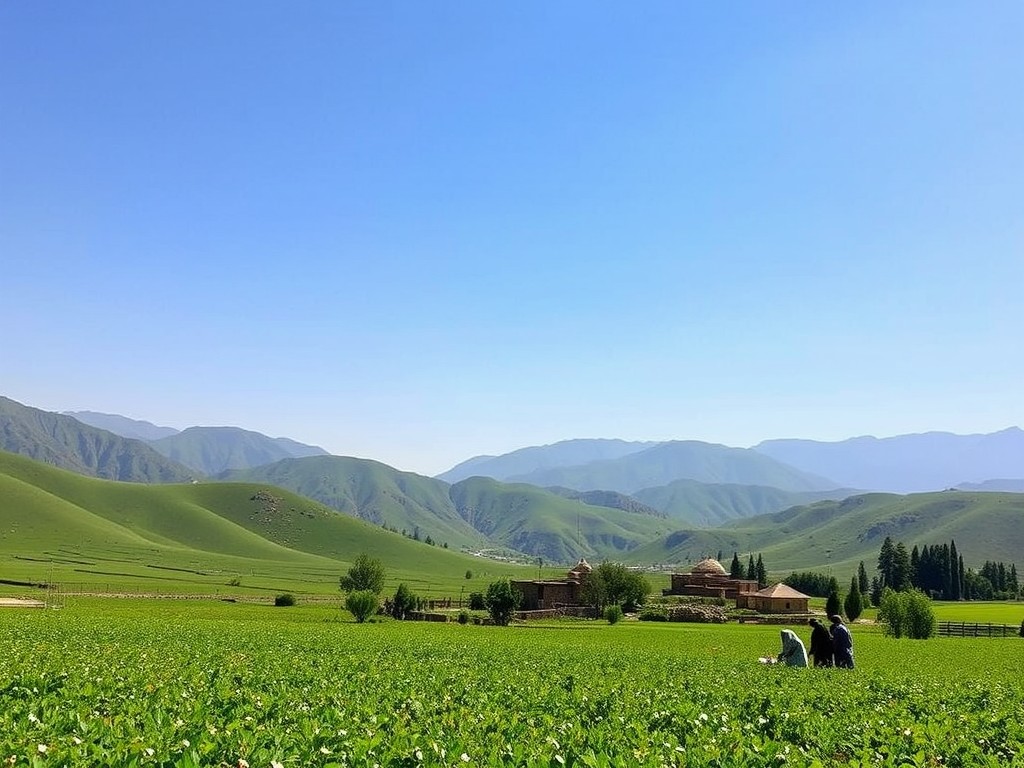
Workers' rights in Afghanistan have evolved significantly over the years, influenced by cultural, political, and economic factors. Understanding the current state of these rights is crucial for promoting social justice and economic development in a country facing numerous challenges.
Historical Context
1. Pre-1978 Era: Workers' rights were largely unregulated, with limited protections for laborers. The economy was primarily agrarian, and many workers operated in informal sectors without legal recognition.
2. 1978-2001 Period: The communist regime attempted to implement labor laws, but ongoing conflict led to a collapse of legal frameworks. The Taliban's rule (1996-2001) further disregarded workers' rights, particularly for women.
3. Post-2001 Reconstruction: Following the fall of the Taliban, international organizations and NGOs began to advocate for labor rights, leading to the adoption of new labor laws and frameworks.
Current Legal Framework
1. Labor Law of 2007: This law established basic rights for workers, including:
- Right to organize and form unions.
- Protection against discrimination and harassment.
- Minimum wage regulations and working hour limits.
2. International Conventions: Afghanistan is a member of the International Labour Organization (ILO) and has ratified several key conventions, including those related to child labor and forced labor.
Key Issues in Workers' Rights
1. Informal Economy:
- A significant portion of Afghan workers are employed in the informal sector, lacking legal protections and benefits.
- This leads to exploitation, low wages, and unsafe working conditions.
2. Gender Inequality:
- Women face significant barriers in the workforce, including cultural restrictions and limited access to education and training.
- The ongoing security situation further exacerbates these challenges, limiting women's economic participation.
3. Unionization and Collective Bargaining:
- While the law allows for union formation, actual implementation is weak. Many workers fear retaliation for organizing or voicing grievances.
- Trade unions often struggle to gain recognition and negotiate effectively.
4. Child Labor:
- Despite legal prohibitions, child labor remains prevalent, particularly in agriculture and informal sectors. Economic necessity drives families to rely on the income generated by children.
5. Safety and Health Standards:
- Many workplaces lack adequate safety measures, leading to high risks of accidents and health issues, particularly in construction and manufacturing sectors.
Challenges and Opportunities
1. Political Instability:
- Ongoing conflict and changing political landscapes hinder the consistent enforcement of labor laws and protections.
2. International Support:
- Continued international advocacy and support are vital for improving workers' rights. Partnerships with NGOs and local organizations can help implement reforms.
3. Education and Awareness:
- Raising awareness about workers' rights among employees and employers can empower workers to advocate for themselves and improve working conditions.
4. Economic Development:
- Promoting economic diversification and formalizing the labor market can enhance job security and improve working conditions.
Conclusion
Workers' rights in Afghanistan face numerous challenges, but there are opportunities for reform and improvement. Strengthening legal frameworks, increasing awareness, and fostering a culture of respect for labor rights are essential steps toward a more equitable and just society. Ensuring that workers' rights are upheld is not only a matter of justice but also crucial for the country’s economic development and stability.
Keywords
- Workers' Rights
- Afghanistan
- Labor Law
- Gender Inequality
- Informal Economy
- Child Labor


