

Introduction
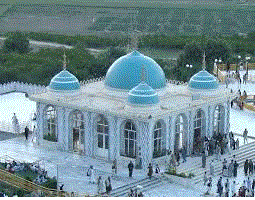
Baba Sahib is an important historical and cultural site located in Kandahar, Afghanistan. This overview explores the rich heritage, historical context, architectural features, and practical information for visitors interested in this significant landmark.

1. Historical Context
1.1 Early History
- Significance in Afghan History: Kandahar has been a pivotal city throughout Afghan history, serving as a capital and a center of trade and culture. Baba Sahib's origins are intertwined with significant historical events, particularly during the time of the Durrani Empire in the 18th century, when Kandahar emerged as a vital political and economic hub.
- Influence of Key Figures: Various leaders and historical figures have influenced the area, contributing to its cultural landscape. The legacy of these figures has shaped local traditions and historical narratives.

1.2 Modern History
- Cultural Resilience: Despite periods of conflict, including the Soviet invasion and the rise of the Taliban, Kandahar has maintained its cultural identity. Baba Sahib has become a symbol of resilience for the community.
- Civic Engagement: In recent years, the site has been revitalized as a center for community gatherings and cultural events, promoting a sense of unity among residents.

2. Cultural Heritage
2.1 Community Involvement
- Local Contributions: The local population plays an essential role in preserving Baba Sahib. Community members are often involved in maintenance efforts and organizing cultural activities.
- Festivals and Celebrations: Various festivals are held at Baba Sahib, showcasing traditional Afghan music, dance, and cuisine. These events foster community spirit and attract visitors from surrounding areas.
2.2 Artistic Expressions
- Craftsmanship: The site is known for local craftsmanship, including intricate woodwork, textiles, and pottery. Artisans often showcase their work during festivals, offering visitors a chance to appreciate traditional Afghan art.
- Cultural Displays: Exhibitions may include local history, artifacts, and demonstrations of traditional crafts, providing insights into the region’s rich cultural tapestry.

3. Architectural Features
3.1 Structural Design
- Traditional Afghan Architecture: Baba Sahib is characterized by its traditional architectural style, featuring large courtyards, domes, and intricately designed facades. The use of local materials reflects the craftsmanship of Afghan builders.
- Spatial Layout: The layout typically includes communal areas, making it suitable for gatherings and events. The architectural design promotes interaction among visitors and the local community.
3.2 Artistic Elements
- Decorative Arts: The site may feature murals, calligraphy, and other decorative arts that highlight Afghanistan’s cultural history. These artistic elements often narrate local stories and traditions.
- Symbolic Design: Elements within the architecture may symbolize unity, peace, and community, reflecting the values cherished by the local populace.
4. Geographical Setting
4.1 Location and Accessibility
- Geographical Context: Kandahar is situated in southern Afghanistan, surrounded by mountains and desert landscapes. The city is strategically located along trade routes that have historically linked Central Asia with the Indian subcontinent.
- Transport Links: Baba Sahib is easily accessible from various parts of the city. Local transportation options, including taxis and buses, facilitate visits to the site.
4.2 Natural Surroundings
- Scenic Landscape: The area around Kandahar offers stunning natural beauty, including the rugged terrain of the Hindu Kush mountains and expansive deserts. This geography adds to the charm of visiting Baba Sahib.
- Ecological Diversity: The region's biodiversity includes various flora and fauna, contributing to the ecological richness of the area.
5. Practical Information for Visitors
5.1 Getting There
- Travel Options: Visitors can reach Kandahar via road or air. The city has a domestic airport with flights from major Afghan cities. Once in Kandahar, local transportation is available for getting to Baba Sahib.
- Guided Tours: Hiring a local guide is advisable for a deeper understanding of the site's historical context and significance.
5.2 Accommodation
- Lodging Choices: There are various accommodation options in Kandahar, ranging from hotels to guesthouses. Many establishments offer basic amenities, providing a comfortable stay for travelers.
- Local Cuisine: Kandahar is known for its delicious Afghan cuisine, including dishes like kebabs, pilaf, and various bread types. Local restaurants and eateries offer authentic dining experiences.
5.3 Safety Considerations
- Security Awareness: Given the fluctuating security situation in Afghanistan, visitors should remain aware of travel advisories and exercise caution. It's wise to stay informed through reliable sources.
- Engagement with Locals: Interacting with local residents can enhance the travel experience, offering insights into the culture and history of the region while ensuring a safe visit.

6. Conclusion
Baba Sahib is not just a site of historical significance but a vibrant cultural hub that reflects the resilience and spirit of the Kandahar community. Its architectural beauty, rich cultural heritage, and strategic location make it a noteworthy destination for anyone interested in exploring Afghanistan's rich history. Visitors to Baba Sahib will find an opportunity to engage with the local culture, appreciate the artistry of Afghan craftsmanship, and witness the enduring legacy of a city that has stood the test of time.


