

Introduction
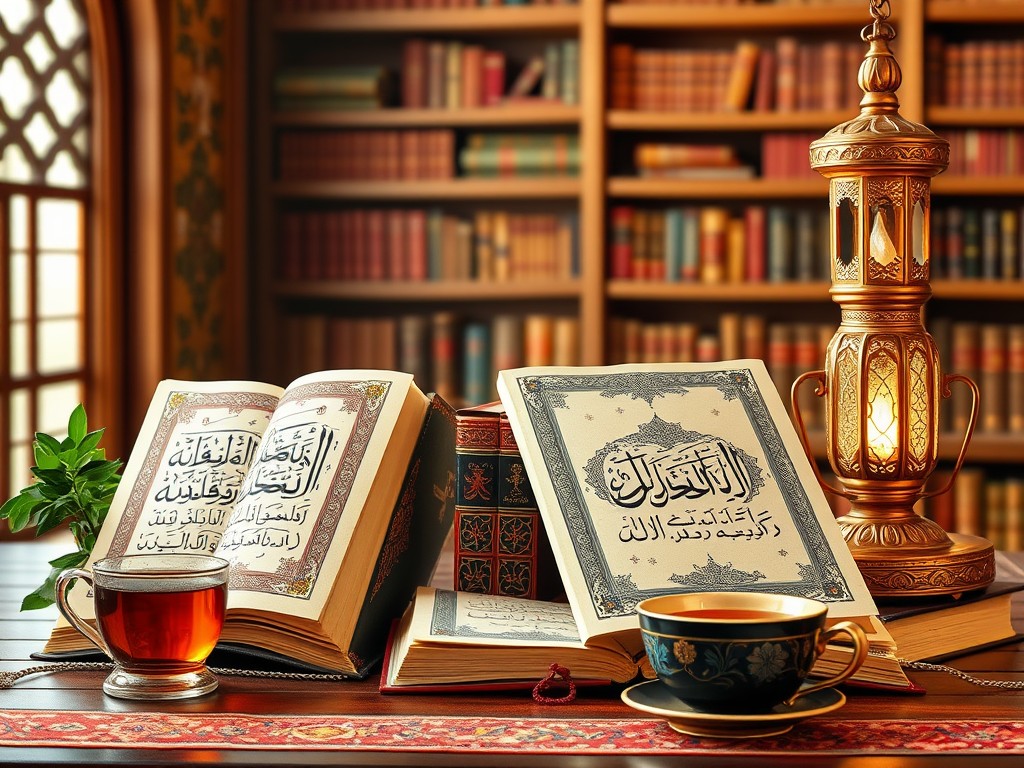
Islamic literature is a rich tapestry of texts that spans centuries, cultures, and genres. From poetry and philosophy to historical accounts and religious texts, it offers a wealth of knowledge and insight into the Islamic worldview. In this blog post, we will explore the significance of Islamic literature, suggest ways to start your journey, and highlight some free books available for every reader.
What is Islamic Literature?
Islamic literature encompasses a broad range of writings that reflect the beliefs, values, and experiences of Muslim cultures. It includes:
-
Religious Texts: The Quran and Hadith, which provide the foundation for Islamic beliefs and practices.
-
Poetry: Works by renowned poets like Rumi and Hafiz, which express spiritual and philosophical themes.
-
Philosophy: Texts that explore the nature of existence, ethics, and knowledge, such as those by Al-Ghazali and Ibn Rushd.
-
Historical Accounts: Narratives that document the history of Islamic civilizations and notable figures.
How to Start Discovering Islamic Literature
1. Identify Your Interests: Determine what aspects of Islamic literature intrigue you—be it poetry, philosophy, or historical narratives.
2. Explore Online Resources: Many platforms offer free access to a variety of Islamic texts. Websites like Project Gutenberg and Islamic Books provide downloadable PDFs.
3. Join Reading Communities: Engage with others interested in Islamic literature through online forums or local book clubs.
Recommended Free Books
Here are some notable free books that can serve as an excellent introduction to Islamic literature:
-
The Quran: The central religious text of Islam, available in various translations.
-
The Rubaiyat of Omar Khayyam: A collection of quatrains that delve into existential themes.
-
The Conference of the Birds by Attar of Nishapur: A spiritual allegory exploring the quest for enlightenment.
-
Al-Ghazali’s The Incoherence of the Philosophers: A critical examination of philosophical thought from an Islamic perspective.
-
The Book of Healing by Ibn Sina (Avicenna): A comprehensive work on medicine and philosophy.
Conclusion
Discovering Islamic literature is a journey that enriches the mind and spirit. With countless free resources available, every reader can access these profound works and appreciate the depth of Islamic thought. Whether you are a seasoned scholar or a curious newcomer, there is something for everyone in the world of Islamic literature.


