

Introduction
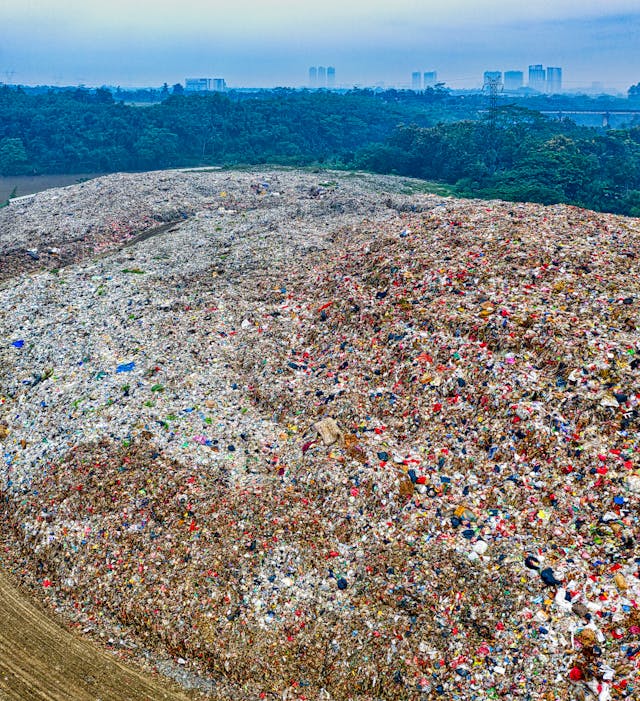
Urban pollution has become a pressing issue as cities grow and industrial activities intensify. Air, water, and soil pollution adversely affect public health, biodiversity, and overall quality of life. This article explores sustainable solutions inspired by nature, aiming to reduce urban pollution and promote a healthier environment.
Key Sustainable Solutions
1. Green Infrastructure:
- Urban Green Spaces: Parks, green roofs, and community gardens can improve air quality, reduce heat, and enhance urban biodiversity. These spaces also provide recreational areas for residents.
- Bioretention Systems: Rain gardens and bioswales can manage stormwater runoff, filtering pollutants and reducing flooding while supporting local flora and fauna.
2. Tree Canopy Expansion:
- Urban Forestry: Planting trees in urban areas can significantly reduce air pollution by absorbing carbon dioxide and other harmful pollutants. Trees also provide shade, lowering urban temperatures.
- Community Engagement: Involving local communities in tree planting initiatives fosters a sense of ownership and responsibility for the environment.
3. Sustainable Transportation:
- Promoting Public Transit: Expanding and improving public transportation systems can reduce reliance on personal vehicles, decreasing traffic congestion and air pollution.
- Encouraging Active Transport: Developing bike lanes and pedestrian pathways encourages walking and cycling, promoting healthier lifestyles while reducing emissions.
4. Waste Reduction and Management:
- Composting Programs: Implementing city-wide composting initiatives can reduce organic waste in landfills, decreasing methane emissions and enriching soil for urban gardens.
- Recycling Initiatives: Enhancing recycling programs can minimize waste, conserve resources, and reduce pollution associated with manufacturing new products.
5. Renewable Energy Integration:
- Solar and Wind Energy: Investing in renewable energy sources reduces reliance on fossil fuels, decreasing air pollution and greenhouse gas emissions.
- Energy Efficiency Programs: Encouraging energy-efficient buildings and appliances can lower energy consumption and reduce pollution from power plants.
6. Nature-Based Solutions (NbS):
- Wetland Restoration: Restoring urban wetlands can improve water quality by filtering pollutants and providing habitat for wildlife, while also offering flood protection.
- Living Shorelines: Implementing living shorelines in coastal cities can protect against erosion and improve water quality, while enhancing biodiversity.
Community Involvement and Education
1. Public Awareness Campaigns:
- Educating residents about the impacts of pollution and the benefits of sustainable practices can foster community involvement and support for green initiatives.
2. Workshops and Training:
- Offering workshops on sustainable gardening, composting, and energy conservation can empower individuals to take action in their own homes and communities.
3. Collaborative Projects:
- Encouraging partnerships between local governments, businesses, and community organizations can lead to innovative solutions tailored to specific urban challenges.
Conclusion
Returning to nature through sustainable solutions offers a pathway to reduce urban pollution and enhance the quality of life in cities. By integrating green infrastructure, promoting sustainable transportation, and fostering community engagement, urban areas can become healthier, more resilient environments. Embracing these nature-inspired solutions is essential for creating a sustainable future for urban populations.
Keywords
- Urban Pollution
- Green Infrastructure
- Sustainable Solutions
- Community Engagement
- Nature-Based Solutions
Explanation of the Article
This article discusses sustainable solutions for reducing urban pollution, emphasizing the importance of integrating nature into urban planning. It highlights various strategies, including green infrastructure and community involvement, to promote a healthier and more sustainable urban environment.


