

Introduction
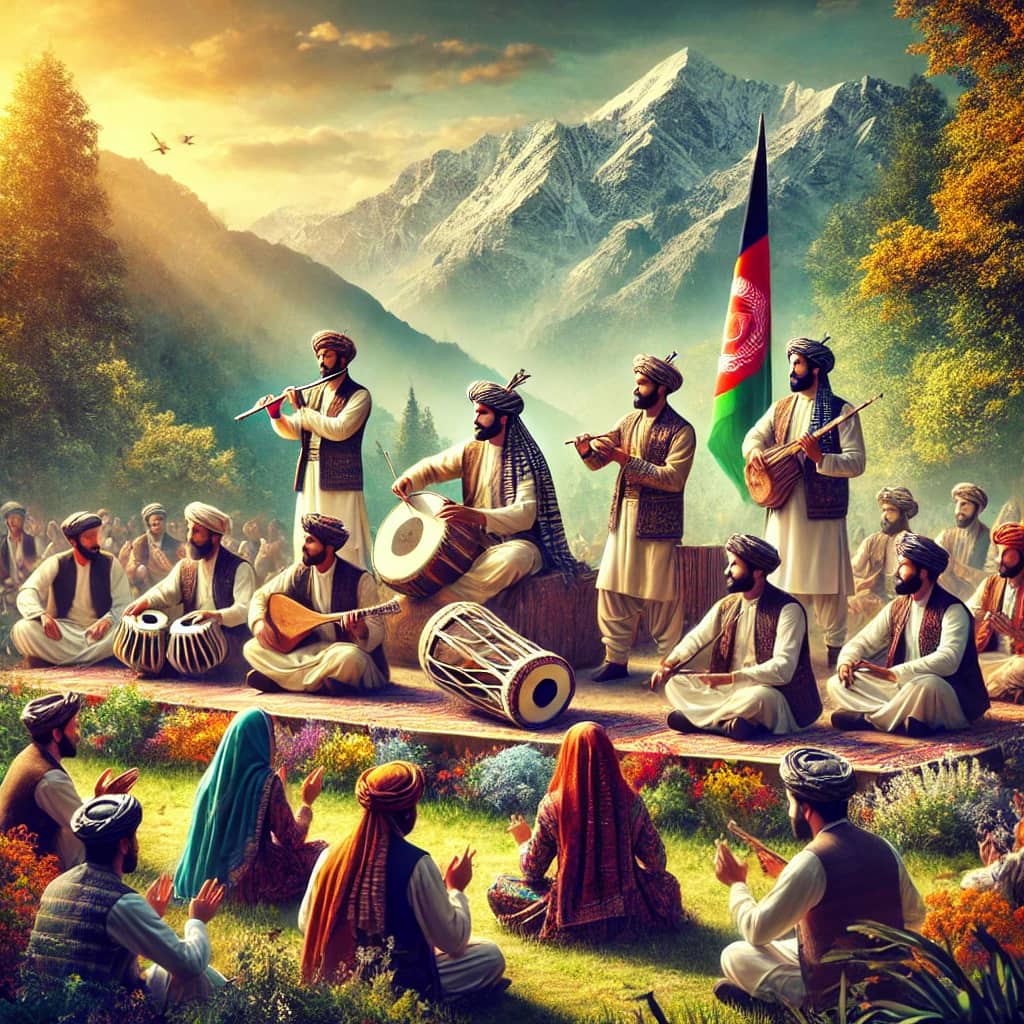
Afghan folk music is an integral part of the cultural identity of the Afghan people. This genre not only conveys historical and cultural narratives but also reflects the emotions and experiences of its people. In this article, we will explore the history of Afghan folk music and its influence on contemporary culture.
History of Afghan Folk Music
Afghan folk music has deep roots in the history of this land. Since ancient times, music has served as a means of expressing emotions, celebrating festivals, and marking various social and religious ceremonies.
- Music in Ancient Times:
- The use of traditional instruments such as the Dutar and Rubab.
- Cultural influences from neighboring civilizations like Iran and India.
- Music in Modern Times:
- The emergence of famous artists like Farhad Darya and Homayoun Sakhi.
- The fusion of folk music with modern and global styles.
Key Elements of Afghan Folk Music
Afghan folk music consists of several key elements:
- Instruments: Traditional instruments like the Dutaar, Rubab, and Sarinda.
- Vocals: Lyrical themes that revolve around love, social issues, and cultural stories, often performed in various local languages.
- Dances: Local dances performed alongside music, symbolizing the region's cultural heritage.
Influence of Folk Music on Contemporary Culture
Afghan folk music has had a profound impact on contemporary culture:
- Preservation of Cultural Identity:
- Helping new generations understand their cultural and historical roots.
- Organizing music festivals and educational programs.
- Influence on Contemporary Artists:
- Inspiring new artists to blend traditional elements with modern styles.
- The emergence of new music genres rooted in folk traditions.
- Global Reach:
- Increasing popularity of Afghan music on the international stage.
- Collaborations with artists from other countries.
Conclusion
Afghan folk music is not only a cultural heritage but also a powerful tool for expressing the identity and emotions of the people of this land. Its influence on contemporary culture demonstrates that this genre can serve as a bridge connecting generations and cultures.
Keywords
- Afghan Folk Music
- History of Music
- Contemporary Culture
- Traditional Instruments
- Cultural Identity
Explanation of the Article
This article examines the history and impact of Afghan folk music on contemporary culture. Given the rich cultural tapestry of Afghanistan, folk music serves as an important tool for preserving cultural identity and fostering connections between generations. The article includes sections on history, key elements, and cultural influences, making it appealing to readers interested in culture and art.


