

The Impact of New Technologies on Education and Learning
Introduction
The advent of new technologies has revolutionized education and learning, creating opportunities for enhanced engagement, accessibility, and personalized experiences. This article explores the various ways technology influences education, its benefits, challenges, and future trends.
Key Technologies Transforming Education
- Online Learning Platforms:
- Examples: Coursera, edX, Khan Academy.
- Impact: Provides access to a wide range of courses from top institutions, enabling learners to study at their own pace.
- Mobile Learning:
- Impact: Mobile devices facilitate learning anytime and anywhere, making education more accessible, especially in remote areas.
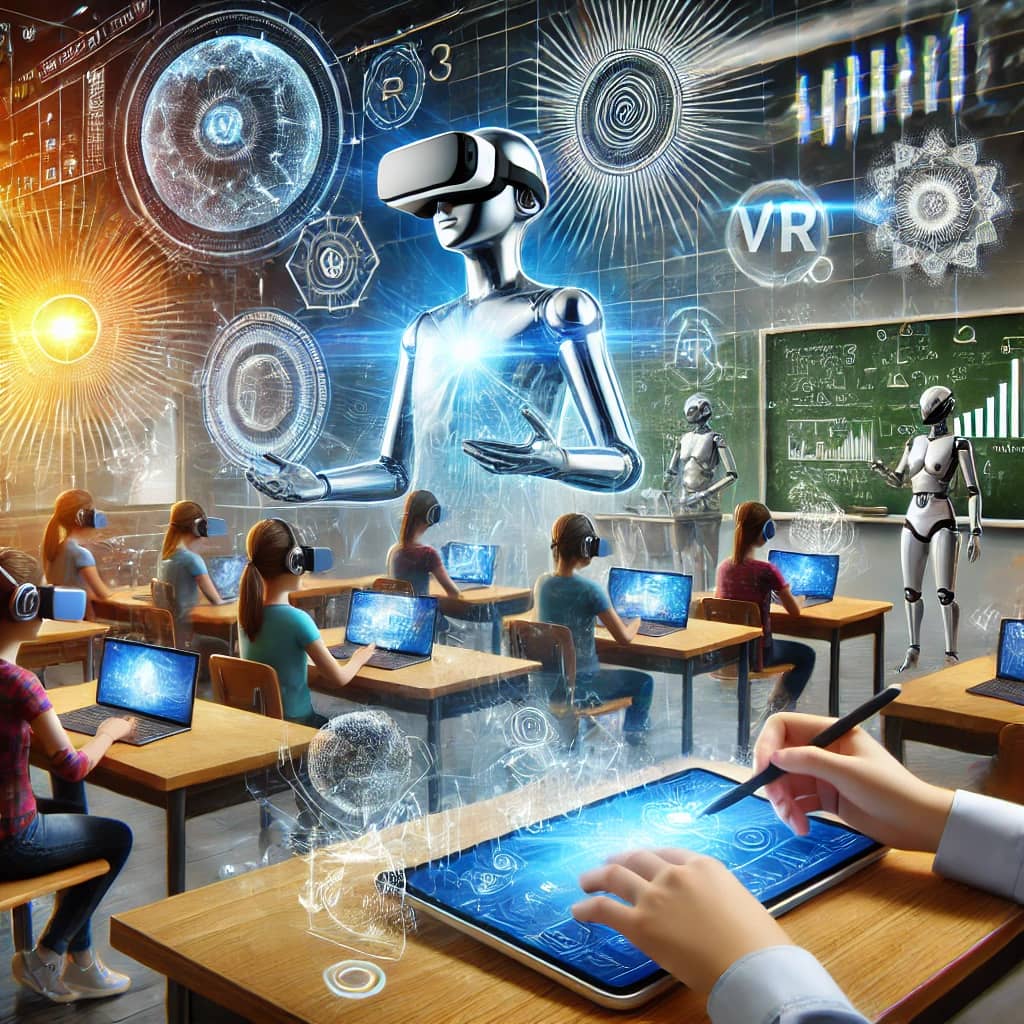
- Virtual and Augmented Reality (VR/AR):
- Impact: Offers immersive learning experiences, allowing students to explore complex concepts through simulations and interactive environments.
- Artificial Intelligence (AI):
- Impact: Personalizes learning experiences by adapting content to individual student needs and providing instant feedback.
- Gamification:
- Impact: Incorporates game elements into learning, enhancing motivation and engagement through challenges and rewards.
Benefits of New Technologies in Education
- Enhanced Engagement: Interactive tools and multimedia resources capture students' attention and foster active participation.
- Personalized Learning: Technology enables tailored educational experiences that cater to diverse learning styles and paces.
- Increased Accessibility: Online resources break geographical barriers, providing education to underserved populations.
- Collaboration Opportunities: Digital platforms facilitate collaboration among students and educators, promoting teamwork and communication skills.
Challenges and Considerations
- Digital Divide: Not all students have equal access to technology, leading to disparities in educational opportunities.
- Screen Time Concerns: Increased reliance on technology raises concerns about excessive screen time and its impact on health.
- Quality of Content: The abundance of online resources necessitates careful evaluation to ensure the quality and credibility of information.
- Teacher Training: Educators must be equipped with the skills to effectively integrate technology into their teaching practices.
Future Trends in Educational Technology
- Blended Learning: Combining online and face-to-face instruction to create a more flexible learning environment.
- Data-Driven Insights: Utilizing analytics to track student performance and improve educational outcomes.
- Lifelong Learning: Emphasizing continuous education through online courses and professional development programs.
- Global Classrooms: Connecting students from different parts of the world to collaborate and learn from diverse perspectives.
Conclusion
New technologies are transforming the landscape of education and learning, offering innovative solutions to traditional challenges. While the benefits are substantial, it is essential to address the accompanying challenges to ensure equitable access and quality education for all learners.
Additional Resources
- Educational Technology Blogs:
- Online Courses:
- Hadaf Free eBooks


