

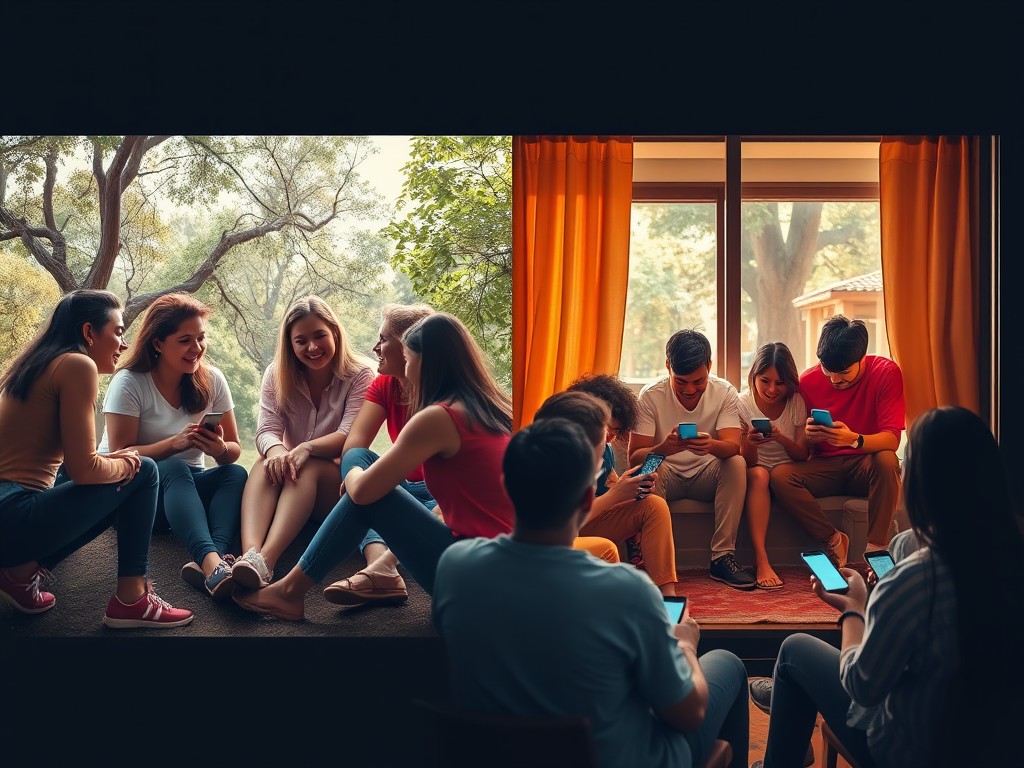
The Impact of Social Media on Human Relationships
Introduction
Social media has become an integral part of modern life, transforming how we communicate, share information, and maintain relationships. This article explores the positive and negative impacts of social media on human relationships.
Positive Impacts of Social Media
- Enhanced Connectivity:
- Global Reach: Social media platforms enable users to connect with friends and family across the globe, fostering relationships regardless of distance.
- Reconnecting: It allows people to reconnect with old friends and acquaintances, rekindling relationships that may have faded over time.
- Support Networks:
- Community Building: Social media facilitates the creation of support groups and communities for individuals with shared interests or experiences, such as health issues or hobbies.
- Emotional Support: Users can share their experiences and feelings, receiving encouragement and empathy from their online networks.
- Increased Communication:
- Real-Time Interaction: Social media allows for instant communication through messaging, video calls, and posts, making it easier to stay in touch.
- Sharing Life Events: Users can share significant life events, celebrations, and milestones, keeping their connections informed and engaged.
- Diverse Perspectives:
- Exposure to Different Cultures: Social media exposes users to diverse cultures and viewpoints, fostering understanding and empathy among individuals from different backgrounds.
- Awareness of Issues: It raises awareness about social issues, encouraging discussions and activism.
Negative Impacts of Social Media
- Superficial Relationships:
- Shallow Interactions: The nature of online communication can lead to superficial connections, lacking depth and emotional intimacy.
- Comparison and Envy: Users may compare their lives to others’ curated online personas, leading to feelings of inadequacy and jealousy.
- Cyberbullying and Harassment:
- Toxic Behavior: Social media can be a platform for bullying and harassment, negatively impacting mental health and relationships.
- Anonymity: The anonymity of the internet can embolden individuals to engage in harmful behavior they might avoid in face-to-face interactions.
- Reduced Face-to-Face Interaction:
- Isolation: Over-reliance on social media for communication can lead to isolation and a decline in in-person interactions.
- Diminished Social Skills: Constant online interaction may hinder the development of essential social skills, such as empathy and non-verbal communication.
- Impact on Mental Health:
- Anxiety and Depression: Excessive use of social media has been linked to increased levels of anxiety, depression, and loneliness.
- Fear of Missing Out (FOMO): The constant stream of updates can create a fear of missing out, leading to compulsive checking of social media.
Conclusion
Social media has a profound impact on human relationships, offering both opportunities for connection and challenges that can affect emotional well-being. Balancing online interactions with face-to-face communication is essential for maintaining meaningful relationships in this digital age.
Additional Resources
- Books on Social Media and Relationships:
- "Reclaiming Conversation: The Power of Talk in a Digital Age" by Sherry Turkle
- "Alone Together: Why We Expect More from Technology and Less from Each Other" by Sherry Turkle
- Research Articles:
- Pew Research Center – Various studies on social media and its effects on relationships.


