

Introduction
Afghan women play a vital role in the economic development of Afghanistan, contributing to various sectors and driving change in their communities. Despite facing significant challenges due to cultural norms, conflict, and economic instability, women's participation in the workforce and their entrepreneurial efforts are essential for the country's growth and stability.
Key Contributions of Afghan Women
1. Workforce Participation:
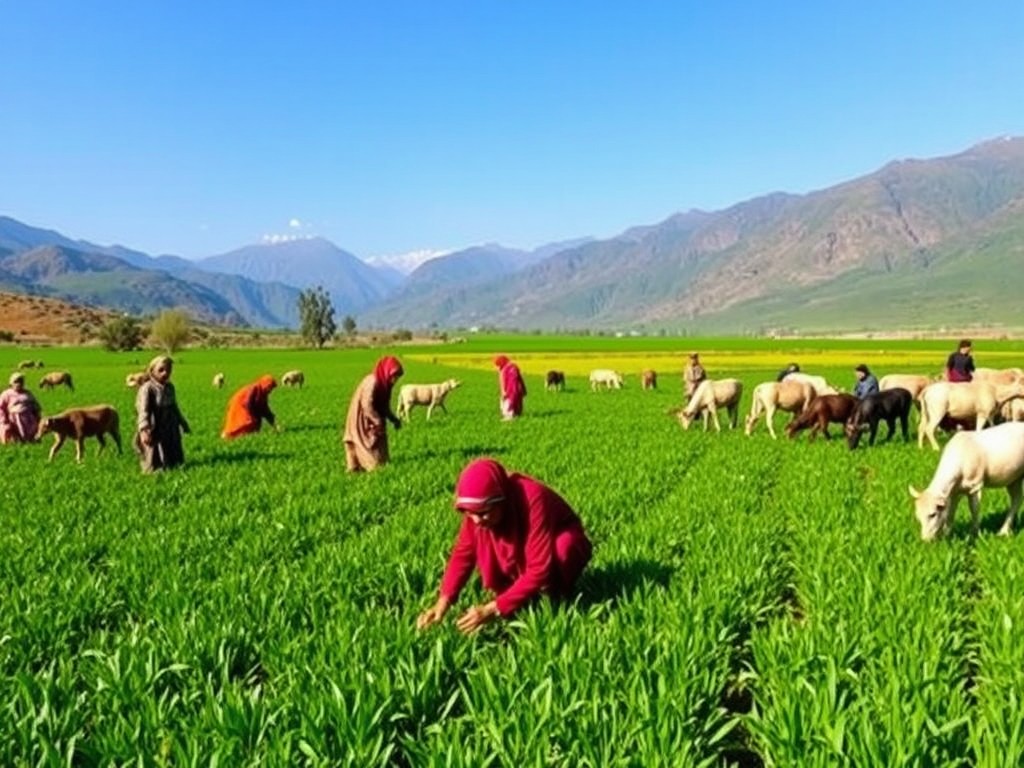
- Diverse Sectors: Afghan women are involved in agriculture, education, healthcare, and various other sectors. Their contributions are critical in enhancing productivity and fostering economic growth.
- Micro-Entrepreneurship: Many women engage in small-scale businesses, producing goods and services that meet local needs, which helps stimulate the economy.
2. Education and Skill Development:
- Educating Future Generations: Women who prioritize education contribute to their children's schooling, thereby increasing literacy rates and improving future economic prospects.
- Vocational Training: Programs aimed at equipping women with vocational skills enhance their employability and boost the overall economy.
3. Community Development:
- Social Activism: Afghan women often lead community initiatives that address local issues, from health and nutrition to education and sanitation, fostering social cohesion and development.
- NGOs and Advocacy: Many women work with non-governmental organizations (NGOs) to advocate for women's rights and economic opportunities, driving systemic change.
4. Economic Resilience:
- Adaptability: Women demonstrate resilience and adaptability in the face of adversity, helping their families and communities recover from economic setbacks.
- Resource Management: Women often manage household finances and resources, contributing to economic stability at the family level.
Challenges Faced by Afghan Women
1. Cultural Barriers:
- Societal norms and traditional gender roles often limit women's access to education and employment, hindering their economic participation.
2. Security Concerns:
- Ongoing conflict and insecurity pose significant risks for women, particularly those who seek to enter the workforce or pursue business opportunities.
3. Limited Access to Resources:
- Women frequently face obstacles in accessing credit, land, and markets, which are essential for entrepreneurship and economic empowerment.
4. Lack of Supportive Policies:
- Insufficient government policies and programs aimed at promoting women's economic participation can limit their potential contribution to the economy.
Conclusion
The role of Afghan women in the economic development of the country is indispensable. Their contributions, whether through formal employment, entrepreneurship, or community initiatives, are crucial for building a resilient and prosperous economy. Addressing the barriers they face and fostering an environment that supports women's empowerment will be vital for Afghanistan's sustainable development and long-term stability.
Keywords
- Afghan Women
- Economic Development
- Workforce Participation
- Education
- Community Development
- Micro-Entrepreneurship


