

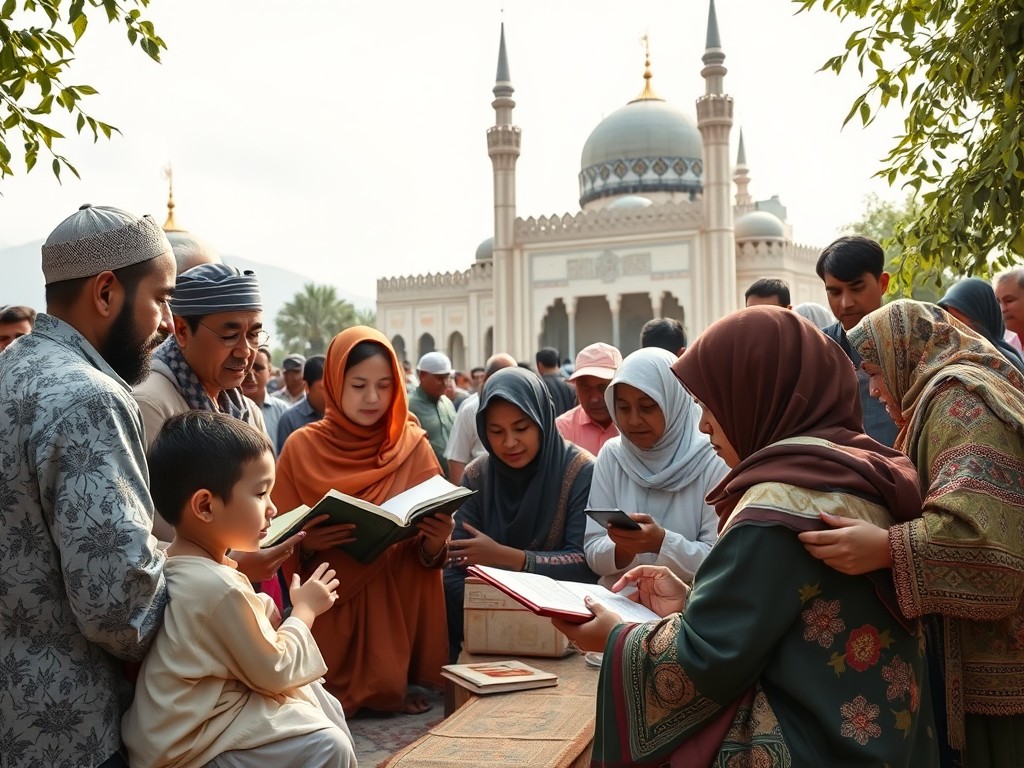
The Role of Religious and Islamic Education in Strengthening Social Ethics
Introduction
Religious and Islamic education plays a significant role in shaping the ethical framework of individuals and communities. By imparting moral values and teachings, it fosters a sense of responsibility, compassion, and integrity among learners. This article explores how such education contributes to strengthening social ethics, particularly within the context of Islamic teachings.
Key Contributions of Religious and Islamic Education
- Foundation of Moral Values:
- Islamic education emphasizes the importance of values such as honesty, justice, and respect for others. These principles serve as a moral compass, guiding individuals in their personal and social interactions.
- Promotion of Compassion and Empathy:
- Through teachings about charity (Zakat) and community service, Islamic education cultivates a spirit of compassion. This encourages individuals to care for the less fortunate, thereby strengthening social bonds and fostering a sense of community.
- Conflict Resolution and Peacebuilding:
- Religious education often includes teachings on conflict resolution and the importance of peace. By promoting dialogue and understanding, it equips individuals with the tools to navigate disagreements and foster social harmony.
- Encouragement of Civic Responsibility:
- Islamic teachings stress the importance of being active, responsible members of society. Educating individuals about their rights and duties helps cultivate a sense of civic responsibility, encouraging participation in community affairs.
- Development of Character:
- Islamic education focuses on the holistic development of individuals, nurturing character traits such as patience, humility, and perseverance. These qualities are essential for ethical behavior in both personal and societal contexts.
Challenges and Considerations
- Interpretation of Teachings:
- Different interpretations of religious texts can lead to varying understandings of social ethics. Promoting a balanced and contextual understanding is crucial to avoid extremism and misapplication of teachings.
- Integration with Modern Education:
- As societies evolve, integrating religious education with modern ethical frameworks and educational practices is essential. This ensures that learners are equipped to navigate contemporary ethical dilemmas.
- Access and Inclusivity:
- Ensuring that religious education is accessible to all segments of society, including marginalized groups, is vital for building an inclusive ethical framework that reflects the diversity of the community.
Conclusion
Religious and Islamic education serves as a cornerstone for strengthening social ethics by instilling moral values, promoting compassion, and encouraging civic responsibility. While challenges exist, a thoughtful approach to education can foster a more ethical and harmonious society, rooted in shared values and mutual respect.
Keywords
- Religious Education
- Islamic Education
- Social Ethics
- Moral Values
- Community Service
- Civic Responsibility


